From helping to establish and secure funding for the 988 Crisis Lifeline, to expanding mental health services in the Howard County Public School System, to hosting Mental Health Film Festivals and other community events, to providing grants to community providers, improving access to mental health services in Howard County has been a top priority of the Horizon Foundation for the past decade. At the same time, mental health needs in Howard County have been on the rise and barriers remain to ensuring robust and equitable access to care.
According to our county’s most recent health assessment survey of 1000 representative adult residents, more than a third reported that they had been “bothered by having little interest or pleasure in doing things” for several days or more over the previous two weeks.[i] This number has risen significantly since 2018. In the same survey, respondents under age 45, Black and Hispanic residents and those in households with incomes under $50,000 per year were significantly more likely to report feeling down, depressed or hopeless. There is also growing research that shows chronic stress and trauma due to racism exacerbates mental and behavioral health challenges for people of color.
The numbers are particularly alarming for our youth. In Howard County, 30% of middle schoolers report feeling sad or hopeless.[ii] Our Black and Latino girls and our LGBTQIA + children and youth experience the highest rates of mental health challenges, including depression and suicidal ideation. Statewide, more than a third of Maryland high school students report feeling persistently sad or hopeless, and the percentage of suicidal ideation among Maryland youth aged 12-17 is 5th highest in the nation.
Clearly, we have a lot more work to do to improve access to the continuum of mental health services, boost community resilience and combat the negative stigma that continues to harm people – and even prevent them from getting the help they need. Thankfully, our current cohort of mental health grantees are more than up to the challenge.
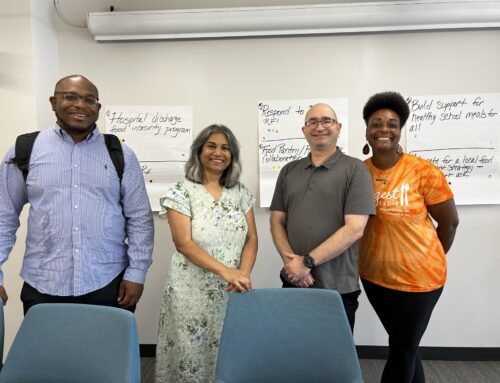
This year, the Foundation has been working with nine different community groups – the African American Community Roundtable, the Asian American Healthcare Center, Building Families for Children, the Center for Creative Life and Learning, the Chinese American Parent Association, Eudaimonia Project, the Howard County Chinese School, the League of Korean Americans and Stepping Towards a New Direction (S.T.A.N.D.) – to partner with us and each other to strengthen our collective resilience and support mental health in our communities. Through their own outreach and by working to support one another, each of our grantees is fighting to ensure that their communities’ voices and lived experiences are heard and that barriers to care can be eliminated.
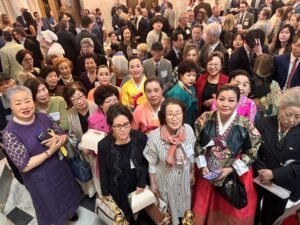 What’s the first step? Embracing the power of storytelling to help change lives and communities for the better. Here are a few snippets of what our grantees had to say about harnessing that power:
[about their Teen Violence Community Conversation] “Their narratives were unfiltered and honest—offering attendees a firsthand understanding of the complex pressures facing Black youth, the ripple effects of violence on mental health, and the urgent need for community-led solutions. What made this event particularly meaningful was the intergenerational dialogue it sparked. Adults, peers and community advocates listened as young people articulated their fears, strengths and hopes for change.” – African American Community Roundtable
“Storytelling can be transformative and healing. When stories are shared among peers, it is often validating. The act of sharing a story from one person to another can help remove stigma and encourage help-seeking behavior. When we share stories that were once invisible, it brings the conversation into the light and solidifies the topic as important and okay to talk about. This provides hope, making help feel possible and providing a path forward.” – Building Families for Children
“Many of our community members face barriers in expressing their stories due to language, stigma or lack of opportunity. A structured storytelling event would help create a safe, bilingual and supportive environment where residents can speak openly about their experiences – whether it’s a senior describing the challenge of isolation, a student sharing stress around cultural expectations or a parent reflecting on navigating the special-education system. By uplifting these authentic voices, the event would humanize the data behind health and wellness disparities, helping local leaders and service providers better understand the real barriers faced by immigrant and minority residents.” – Chinese American Parent Association
[about Jane, a 15-year old Black student in Howard County] “Jane needed peer support, new friendships and a sense of belonging… She formed meaningful friendships with other girls in the program—young women who accepted her and shared similar experiences and she was not alone. The support she received from her peers and mentors was instrumental in her recovery. Jane became an active participant in the Center’s activities, contributing her voice and perspective to group discussions. Inspired by her own journey, Jane joined the Center’s Youth Advocacy Initiative, where she learned how to use her experiences to influence policy decisions and advocate for change in her school and community. Her transformation demonstrates the power of accessible, comprehensive support services.” – Center for Creative Life and Learning“For first-generation immigrants, telling their stories in their own language and on their own terms is a powerful act of healing and visibility. For younger generations, hearing those stories fosters understanding, pride and connection to their cultural identity… Storytelling is deeply embedded in Korean culture as a way to transmit values, history and emotional truth. By integrating this cultural tradition into a structured community event — with guided prompts, bilingual facilitation and opportunities for reflection — LOKA can create a safe and affirming space for authentic dialogue. This process allows participants to see that their challenges and emotions are shared, reducing stigma and isolation while fostering empathy and community healing.” – League of Korean Americans
“Through storytelling, we challenge harmful stereotypes — such as the perception of Black boys as ‘thugs’ — and ensure that their humanity, voices and pain are acknowledged. By humanizing their experiences and highlighting the impact of systemic and institutional inequities, these events help shift narratives, inform policy and transform services. Ultimately, storytelling fosters understanding, empathy and community.” – S.T.A.N.D.
 “Each storytelling event becomes a ripple effect. People who once stayed silent begin to lead discussions, connect friends to mental health resources and use their voices to encourage change. In this way, storytelling doesn’t just entertain — it strengthens community resilience by transforming vulnerability into power and shared hope.” –Eudaimonia Project
These are just some of what our grantees had to say about the importance of storytelling events to combat stigma, provide hope and improve community resilience. All of them share this passion and commitment – and that’s why this fall, they are preparing for a joint arts and cultural showcase, centered around mental health, to bring communities together. Here is what they are planning for and looking forward to:
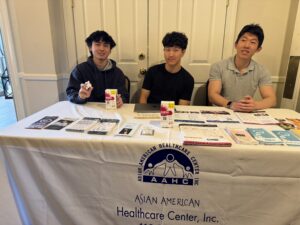 “The impacts we expect to have are to collaborate and connect with fellow grantees and gradually build a network that connects various types of non-profit organizations and safety net programs to deliver more streamlined services to Howard County residents.” – Yang Yu, Asian American Healthcare Center
“I am looking forward to coming together as a community to advance awareness about mental health and healing through storytelling. I hope we educate individuals and the community about the positive impacts of storytelling on mental health.” – Tricia Sakles, Building Families for Children
“We’re really looking forward to how this showcase brings storytelling to life in different ways – through film screenings, cultural performances, and small group conversations – so people can engage with mental health in ways that feel more approachable and culturally relevant. The inclusion of Asian American–focused films, along with opportunities to connect over food and guided discussions, feels especially meaningful. It creates a comfortable space to open up conversations around mental health, particularly in communities where stigma and language barriers are still very real.” – Lan Deng, Chinese American Parent Association
“Coming together with fellow grantees, we hope to exchange ideas, learn from one another’s approaches to community impact and strengthen relationships across organizations. We believe this showcase will not only celebrate individual stories, but also reinforce the collective power of community voices to inspire belonging, advance equity and improve well-being across Maryland.” – Young Smith, LOKA
“I hope that by coming together, we can deepen relationships across the grantee community, exchange lessons from the work we’ve been holding and help amplify the importance of storytelling as a tool for transformation. My hope is that those who engage with the showcase leave feeling more connected, more curious and more moved to support the communities and stories being shared.” – Emmanuel Simms, Eudaimonia Project
Stay tuned for more information about the storytelling showcase over the coming weeks and months. For now, our grantees are continuing to engage with their communities and each other to ensure that everyone can get the mental health support they need and feel empowered to share their stories. This Mental Health Awareness Month, we honor their work and their commitment to making Howard County a healthier and more resilient community.
[i] Howard County Health Assessment Survey, 2024.
[ii] Maryland Youth Risk Behavior Survey, 2022-2023.